The Crown Changes Hands Again
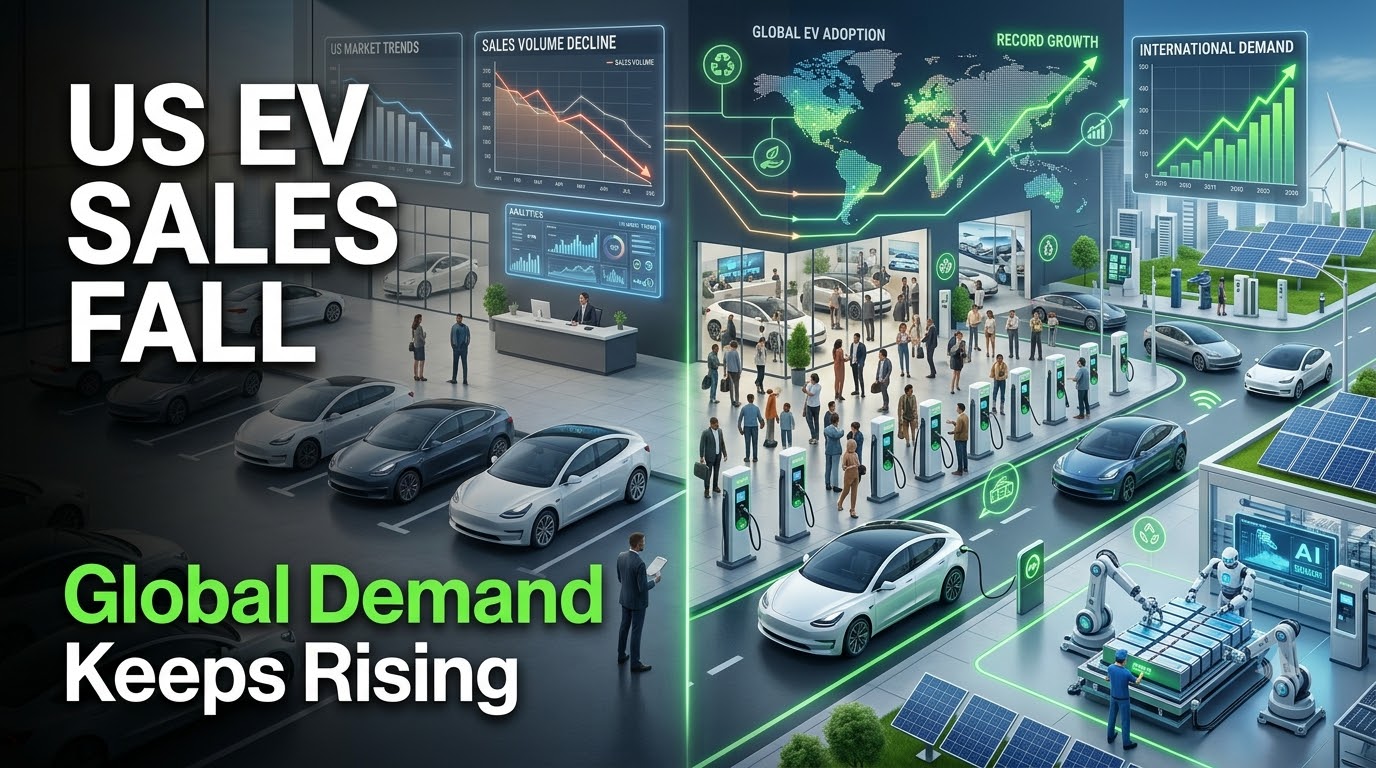
Tesla's return to the top of the global EV sales charts lasted exactly one quarter. BYD delivered 557,090 fully battery-electric vehicles between April and June 2026, a figure Bloomberg-compiled analyst estimates suggest will comfortably exceed Tesla's expected Q2 deliveries — reclaiming the global BEV sales lead the Chinese automaker had held for most of 2025 before Tesla briefly took it back in Q1.
The Numbers Behind the Swing
| 📅 Period | 🔋 BYD BEV Deliveries | ⚡ Tesla Deliveries | 🏆 Leader |
|---|---|---|---|
| 🚘 Full Year 2025 | 2.26 Million | 1.64 Million | 🏆 BYD |
| 📊 Q1 2026 | Lower than Tesla | Approximately 48,000 more than BYD | ⚡ Tesla |
| 📈 Q2 2026 | 557,090 | Approximately 396,500–480,126 (estimates vary) | 🏆 BYD |
| 📆 H1 2026 Cumulative | 867,479 | 838,149 | 🏆 BYD (Narrow Lead) |
The back-and-forth reflects genuinely different underlying stories at each company. BYD's Q2 figure was actually down roughly 8% year-over-year but up nearly 80% from Q1 2026, reflecting a sharp sequential rebound after softer domestic Chinese demand weighed on its first-quarter numbers. Tesla, meanwhile, posted its strongest second quarter in company history, with deliveries up roughly 25% year-over-year and about 34% quarter-over-quarter — a genuinely strong result that simply wasn't enough to overtake BYD's larger volume.
Why BYD Keeps Winning the Volume Race
International expansion is doing much of the work. BYD's international markets accounted for approximately 43% of its June vehicle deliveries, up sharply as the company leans into overseas growth to offset intensifying domestic competition from rivals like Geely and Xiaomi. BYD has set an overseas sales target of 1.5 to 1.6 million units for 2026, and Citigroup and Bloomberg-compiled analyst estimates suggest total company sales — across BEVs and plug-in hybrids — could reach 5.3 million units next year if that international push continues. That growing overseas footprint is exactly the kind of competitive pressure legacy automakers like Volkswagen are restructuring around, as it slashes its own global model lineup by up to half.
Tesla’s Different Value Proposition
Despite trailing on volume, Tesla's market narrative increasingly rests on factors beyond pure delivery counts. The company's valuation is heavily tied to AI and robotics ambitions — its robotaxi rollout and Optimus humanoid robot program — rather than vehicle delivery growth alone. That said, Tesla shareholders have grown more vocal about execution gaps: the company's Q2 2026 earnings Q&A drew a flood of upvoted investor questions pressing management on why progress on robotaxi expansion and Full Self-Driving continues to lag its own stated timelines.
Industry Impact
The quarterly leadership swings between BYD and Tesla underscore how the global EV market has matured beyond a simple growth story into a genuine share-capture battle. Industry forecasts from EV market trackers estimate global EV sales will reach 22.7 million units in 2026 — only a modest increase over 2025 — signaling that competitors are increasingly fighting over existing demand rather than benefiting from a rapidly expanding pie. In that environment, cost efficiency and vertical integration, both areas where BYD has invested heavily through in-house battery and semiconductor production, are becoming decisive competitive advantages.
What This Means for the Broader Market
The competition is reshaping strategy well beyond the two headline companies. Domestic Chinese rivals Geely and Xiaomi are expanding aggressively with competitive pricing, squeezing BYD's home-market margins even as its overseas business grows. In Europe specifically, BYD has already registered more battery-electric vehicles than Tesla in individual months despite EU tariffs on Chinese-made vehicles — a sign that price and product competitiveness can outweigh tariff-driven cost disadvantages when the underlying demand is strong enough.
Timeline
- Q4 2024: BYD first overtakes Tesla in global BEV sales.
- 2025: BYD holds the lead for the full year, delivering 2.26 million BEVs versus Tesla's 1.64 million.
- Q1 2026: Tesla reclaims the lead by roughly 48,000 vehicles amid softer Chinese domestic demand for BYD.
- July 1, 2026: BYD reports 557,090 Q2 BEV deliveries, positioning it to retake the global lead.
- Following week: Tesla reports Q2 deliveries, confirming its strongest Q2 in company history but insufficient to match BYD's volume.
Future Outlook
Expect the BYD-Tesla battle to remain genuinely close and quarter-to-quarter volatile through the rest of 2026, with BYD's international expansion push and Tesla's domestic US strength pulling in different directions. The more consequential long-term story may be less about who leads on raw delivery counts and more about whether Tesla's AI and robotics bets, or BYD's vertically integrated cost advantages and overseas scale, prove to be the more durable competitive moat as global EV demand growth continues to slow.
Frequently Asked Questions
Who is currently leading global EV sales, BYD or Tesla?
BYD retook the lead in Q2 2026 with 557,090 battery-electric vehicle deliveries, after Tesla briefly led in Q1 2026.
Why did BYD’s Q2 2026 deliveries drop year-over-year but still beat Tesla?
BYD's 557,090 Q2 deliveries were down about 8% from the same period last year but still exceeded Tesla's expected quarterly deliveries, reflecting Tesla's own softer overall delivery scale.
How much of BYD’s sales now come from outside China?
Approximately 43% of BYD's June 2026 deliveries came from international markets.
Did Tesla have a strong quarter despite losing the lead?
Yes — Tesla posted its strongest Q2 in company history, with deliveries up roughly 25% year-over-year.
What is driving investor concern about Tesla?
Shareholder questions in Tesla's Q2 2026 earnings Q&A focused heavily on delays in robotaxi expansion, Full Self-Driving progress, and the Optimus robot program.
Is the global EV market still growing quickly?
Growth has slowed — EV market trackers project global EV sales will reach about 22.7 million units in 2026, only a modest increase over 2025.
Does BYD sell vehicles in the United States?
BYD's growth strategy is focused on international markets outside the US, where it faces significant regulatory and tariff barriers.
Key Takeaways
- BYD retook the global EV sales lead in Q2 2026 with 557,090 deliveries, one quarter after Tesla briefly overtook it.
- Tesla posted its strongest Q2 in company history but was still outpaced by BYD's larger delivery volume.
- BYD's international expansion, now 43% of deliveries, is central to its strategy as Chinese domestic competition intensifies.
- Global EV sales growth is slowing to around 22.7 million units in 2026, shifting competition toward share-capture rather than market expansion.
References
- Bloomberg
- Electric Cars Report
- Autoblog
- Yahoo Finance